
Top Products For Arborist Service Professionals
Discover essential tools and equipment that enhance safety, efficiency, and performance for arborists in the field.
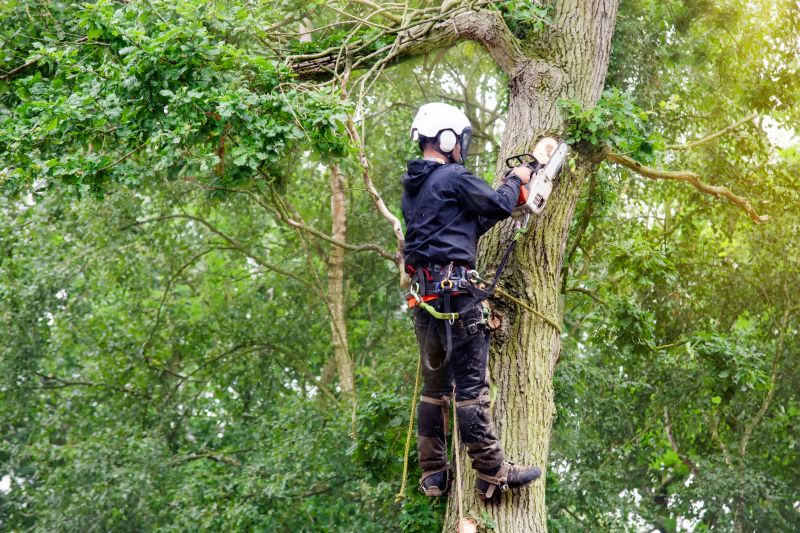 Arborist services require a diverse array of specialized tools and equipment to ensure safety, efficiency, and precision during tree care operations. From climbing gear to pruning tools, each item plays a crucial role in enabling arborists to perform tasks such as pruning, trimming, cabling, and removals effectively. Selecting the right products can significantly impact the quality of work and safety standards on the job site.
Top Overall Option
Comprehensive Arborist Equipment Set
A versatile and complete set of essential tools designed for arborists, including climbing gear, pruning tools, safety equipment, and maintenance accessories. This all-in-one kit offers a balanced combination of safety, durability, and functionality, making it suitable for a wide range of tree care tasks.
Types of Products For Arborist Service
Climbing Harnesses
Supportive and adjustable harnesses designed to provide safety and comfort during tree climbing and work positioning.
Chainsaws
Powerful chainsaws suitable for cutting large branches and trunks with precision and reliability.
Pruning Saws
Manual saws ideal for detailed pruning and trimming of branches and limbs.
Pole Saws
Extendable saws that allow arborists to reach high branches without the need for ladders.
Protective Helmets
Safety helmets equipped with visors and ear protection for head safety during work.
Climbing Ropes
High-strength ropes designed for secure ascent and descent in tree work.
Loppers
Long-handled cutting tools for trimming thick branches with ease.
Pruning Shears
Handheld tools for precise cutting and shaping of smaller branches.
Cabling and Bracing Equipment
Support systems designed to stabilize weak or damaged branches and trees.
Safety Gloves
Durable gloves that protect hands during cutting, climbing, and handling equipment.
Tree Climbing Spikes
Spikes used for ascending and descending trees safely when necessary.
Tree Debris Bags
Heavy-duty bags for collecting and transporting cut branches and debris.
Aerial Lift Platforms
Motorized lifts that provide stable access to high branches and large trees.
Tree Inspection Tools
Specialized tools like resistograph or increment borer for assessing tree health.
First Aid Kits
Comprehensive kits tailored for emergency treatment during tree work.
Popular Choices
Widely used for safety and support during tree climbing tasks.
Commonly selected for their power and efficiency in cutting large branches.
Popular for detailed trimming and shaping of smaller branches.
Favored for reaching high branches safely from the ground.
Essential safety gear for head protection during various tasks.
Commonly used for trimming medium to thick branches efficiently.
Popular for hand protection during cutting and climbing activities.
Frequently chosen for efficient debris collection on job sites.
Often used for accessing high branches safely in large-scale projects.
Selected for supporting weak or damaged trees to prevent failure.
Popular for secure ascent and work positioning in tree care.
A comprehensive arborist toolkit often includes protective gear like helmets, gloves, and eye protection to safeguard against potential hazards. Climbing equipment such as harnesses, ropes, and ascenders are essential for reaching high branches safely. Pruning tools, including pruning saws, shears, and loppers, allow for precise cuts that promote healthy tree growth. Additionally, equipment like pole saws and chainsaws enable arborists to handle larger branches and trunks with greater ease.
Safety is paramount in arborist work, making the choice of durable, reliable gear critical. Properly maintained equipment not only enhances safety but also improves efficiency by reducing fatigue and minimizing the risk of accidents. Whether working on residential trees or large-scale forestry projects, having access to a wide range of tools ensures that arborists can adapt to various scenarios and tree sizes.
Investing in quality products tailored for arborist services can lead to better outcomes, smoother operations, and safer work environments. It's important to consider the specific needs of each job, the compatibility of tools, and the durability of equipment when making purchasing decisions. With the right selection, arborists can perform their duties confidently and effectively, ensuring the health and safety of both the trees and themselves.
Key Buying Considerations
- Safety features and certifications of protective gear
- Compatibility of climbing equipment with your body size and weight
- Durability and material quality of cutting tools
- Ease of maintenance and sharpening of blades
- Weight and ergonomics of hand tools for prolonged use
- Reach and extension capabilities of pole saws and lifts
- Type of material and construction for ropes and harnesses
- Versatility of multi-purpose tools for different tasks
- Storage and transportation options for equipment
- Budget constraints balanced with quality and safety standards
- Brand reputation and customer reviews
- Availability of replacement parts and accessories
- Ease of use and learning curve for complex equipment
- Weather resistance and suitability for outdoor conditions
- Compliance with safety regulations and standards
This page contains affiliate links. We may earn a commission if you purchase through these links, at no additional cost to you.